While methodologies like Agile and Scrum dominate the IT project management conversation, project governance is often the silent factor determining success or failure. Project governance is not about bureaucracy — it is about structure, accountability, and strategic alignment. This post dives into how project governance can prevent common IT failures and build a foundation for scalable success.
Introduction
Many IT projects fail — not due to technical issues or lack of methodology — but because of poor governance. Budgets spiral, timelines drift, and deliverables shift. These symptoms often stem from a lack of clear roles, decision-making frameworks, and strategic oversight. Strong governance is the backbone of successful IT delivery.
1. What Is Project Governance?
Project governance is the framework that guides decision-making, accountability, and control throughout a project lifecycle. It includes:
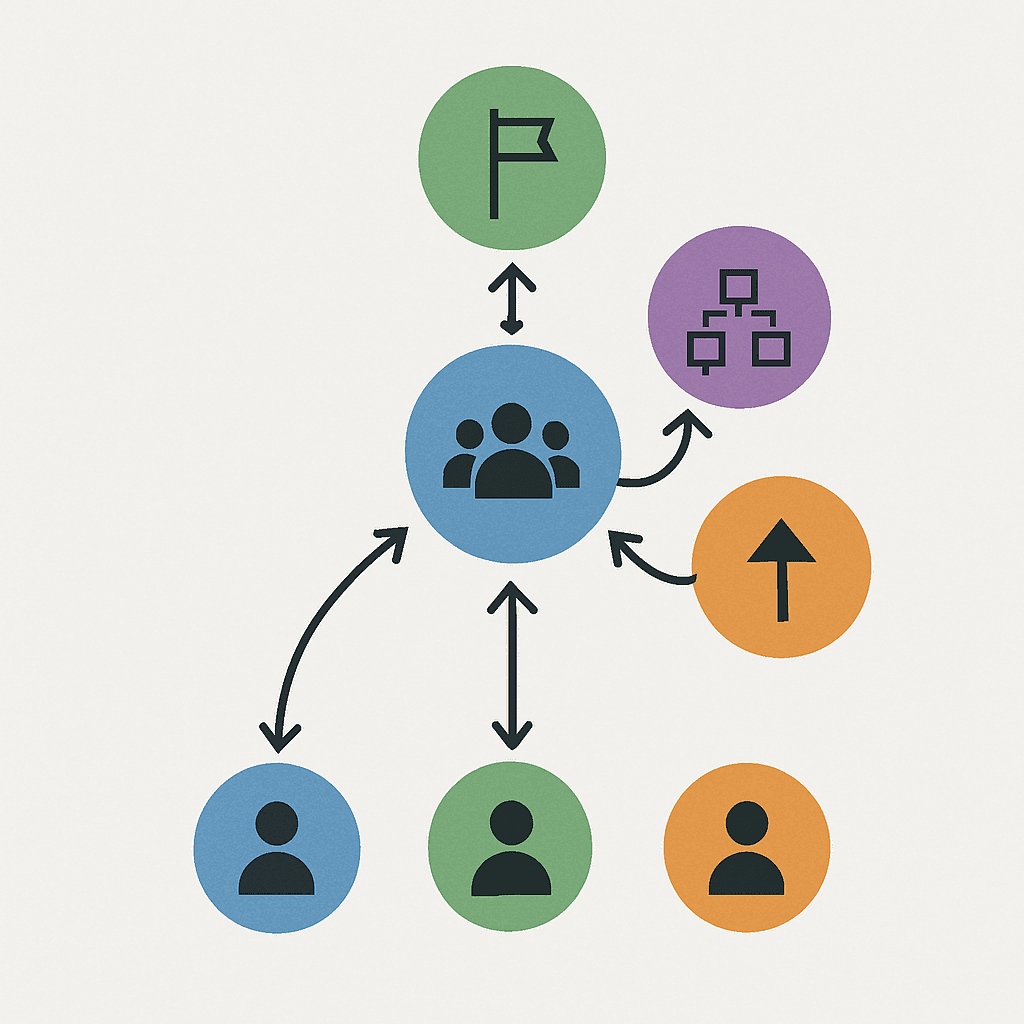
- Defined roles and responsibilities across the sponsor, steering committee, and PMO
- Escalation paths for issues and risks before they become crises
- Change control processes and performance metrics that keep projects honest
2. Why Governance Often Gets Overlooked
- Focus shifts to delivery speed over structure
- Teams assume Agile frameworks alone are sufficient
- Governance is perceived as administrative overhead rather than strategic value
In reality, a lightweight governance model supports agility while protecting projects from chaos.
3. Key Benefits of Strong Project Governance
Clear Accountability — Everyone knows who makes decisions and owns outcomes. Ambiguity disappears and progress accelerates.
Strategic Alignment — Projects stay connected to business goals and priorities, ensuring technology investments deliver real organizational value.
Early Risk Detection — Escalation paths and governance reviews surface issues sooner, when they are still manageable rather than critical.
Stakeholder Confidence — Transparent reporting and structured oversight builds trust with leadership and reduces the likelihood of surprise failures.
4. Practical Governance Models
Steering Committees — Provide strategic oversight, unblock major decisions, and ensure executive sponsorship remains active throughout delivery.
RAID Logs — Systematically track Risks, Assumptions, Issues, and Dependencies to maintain a live picture of project health.
Stage Gates — Milestone reviews for scope, budget, and progress validation before moving to the next phase of delivery.
PMO Involvement — Enables consistent practices, coaching, and cross-project visibility across the portfolio.
5. Balancing Governance with Agility
Governance does not mean Waterfall. Modern governance can be fully adaptive:
- Set guardrails, not gates — define boundaries and let teams operate freely within them
- Use weekly health checks instead of rigid reporting templates
- Empower teams with decision rights within clearly defined boundaries
The goal is structure that enables speed, not structure that slows it down.
Conclusion
If Agile is the engine, project governance is the steering wheel. Without it, IT projects veer off course regardless of the methodology in use. Strong governance ensures strategic alignment, stakeholder trust, and scalable delivery — without slowing innovation.
It is time governance got the attention it deserves in every IT project playbook.