IT leaders love reports. They love dashboards. But still — millions get wasted every year in places no one is watching.
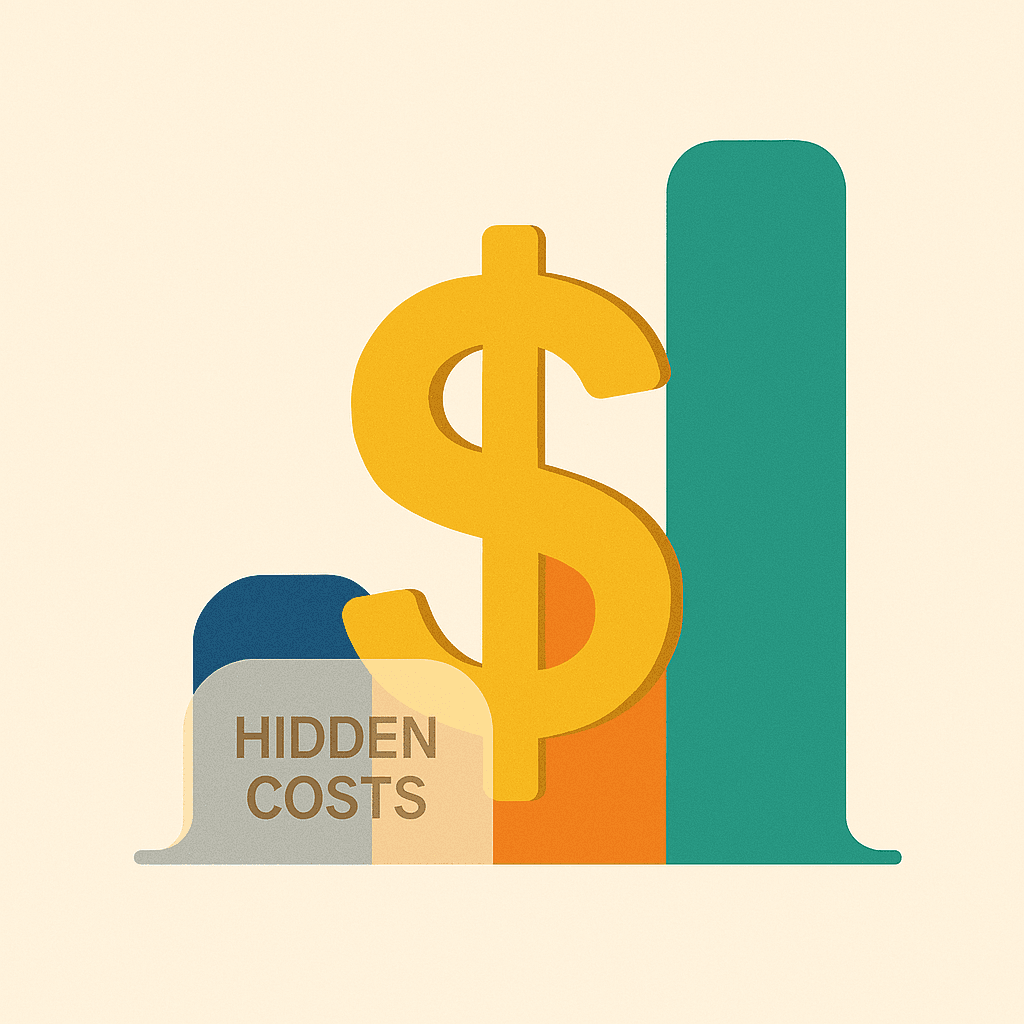
Because IT costs don't only live in budgets. They hide in processes, people, habits, and forgotten corners of your tech landscape.
Introduction
IT leaders are under constant pressure to control costs, optimize spending, and demonstrate value. Budgets are scrutinized, spending is tracked, and financial reports are generated regularly. Yet despite all this attention, many organizations still lose thousands — if not millions — of dollars every year.
Why? Because IT costs don't just sit neatly inside budgets and invoices. They hide. They blend into operations, processes, and behaviors. They quietly leak from forgotten tools, underused platforms, and legacy habits that nobody questions.
True IT cost leadership is not about looking harder at the budget sheet — it is about looking smarter across the entire IT landscape.
The Usual Suspects — Where Everyone Looks
Most IT cost control efforts start and often end in the same predictable places:
- Software licenses
- Hardware assets
- Cloud consumption reports
- Vendor contract renewals
- Project budgets
While these areas are important, focusing only here creates a dangerous illusion of control. The real risks — and opportunities — lie beyond.
The Real Blind Spots — Where Costs Hide
1. Idle SaaS Subscriptions
Teams sign up for tools. Projects end. People leave. But the subscriptions stay — quietly renewing every month.
2. Overlapping Tools Doing the Same Job
Different teams buy their own tools for similar tasks — file sharing, project management, messaging — creating both cost duplication and integration headaches.
3. Cloud Zombie Resources
Virtual machines running with no owner. Storage buckets left active. Old test environments forgotten. The cloud makes this easy — and expensive.
4. Maintenance Contracts Nobody Uses
Legacy systems or hardware with expensive support contracts — even if the system is rarely or never used.
5. Shadow IT
Tools and services adopted directly by business units without IT knowledge or governance — leading to untracked spending and compliance risks.
6. Data Storage Bloat
Keeping everything forever — emails, logs, backups — increases storage needs and costs without adding value.
Why Leaders Miss These Blind Spots
- Lack of Visibility — No clear view across the entire IT environment
- Fragmented Ownership — No single point of accountability for many tools or resources
- Siloed Teams — Decisions made independently without central coordination
- Focus on New Spend vs. Existing Waste — Budget reviews focus on what is next rather than what is hanging around
How to Find and Fix IT Cost Blind Spots
1. Conduct Usage-Based Audits Regularly
Review actual tool and service usage quarterly. Eliminate what is unused or underused.
2. Map Ownership Clearly
Every tool, subscription, or platform should have a clear business owner responsible for its cost and value.
3. Implement Shadow IT Detection
Use tools to detect unapproved SaaS usage across the organization.
4. Automate Idle Resource Alerts
Set policies and alerts in your cloud environment for unused or underutilized resources.
5. Review Contracts with Finance Annually
Do not let contracts auto-renew without a usage and value check.
6. Optimize Data Storage Policies
Apply smart retention policies. Archive strategically. Delete ruthlessly when appropriate.
Conclusion
The future of IT cost optimization is not just about cutting budgets — it is about cutting waste.
IT leaders who go beyond traditional budgeting and develop a culture of visibility, ownership, and proactive cost management will deliver the biggest long-term value to their organizations.
Every dollar wasted in a blind spot is a dollar stolen from innovation, growth, and future investments. Find your blind spots. Close them. Reinvest the savings where they matter most.