Datacenters are the digital engines powering everything from cloud applications to AI workloads — but they come at a cost: energy consumption. With sustainability now a board-level concern, IT leaders must rethink how datacenters are designed, operated, and optimized. This post explores the strategies that can make datacenter infrastructure greener, more efficient, and future-ready.
Introduction
As digital demand rises, so does the environmental footprint of datacenters. These facilities account for 1–2% of global electricity consumption — a number expected to grow. With ESG commitments and operational costs under scrutiny, it is time to shift from energy-hungry architectures to energy-efficient, sustainable datacenters.
1. The Business Case for Green Datacenters
Going green is not just ethical — it is smart business:
- Lower energy costs
- Enhanced brand reputation
- Support for regulatory compliance and ESG goals
- Eligibility for green financing and incentives
Sustainability is no longer a checkbox — it is a differentiator.
2. Key Technologies Enabling Energy Efficiency
- Liquid Cooling Systems — Use significantly less power than traditional air cooling
- AI-Driven Power Optimization — Dynamically adjust workloads and cooling systems based on demand
- Server Virtualization and Consolidation — Reduces hardware footprint and energy draw
- Energy-Efficient UPS and PDUs — Minimize energy loss during power conversion
3. Sustainable Design and Architecture
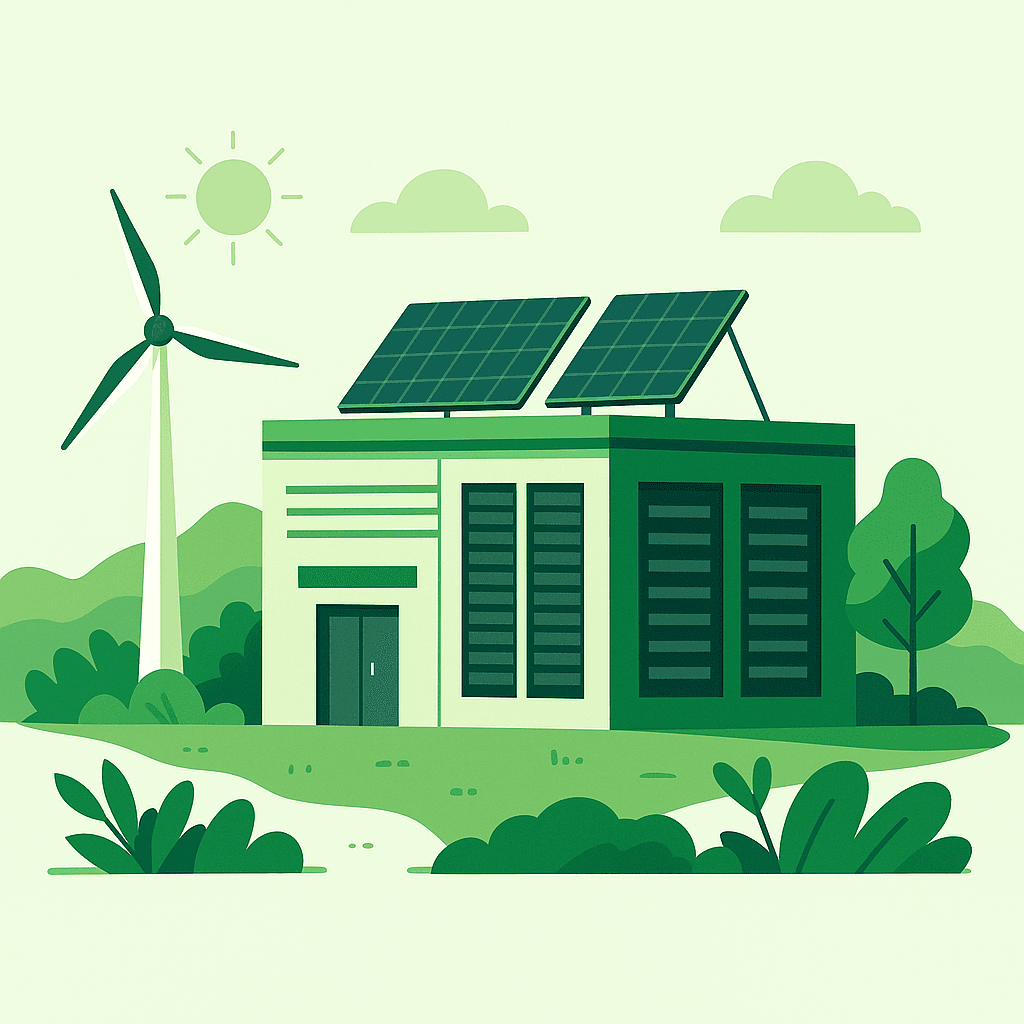
- Modular Datacenter Design — Scalable and built to spec, minimizing excess capacity
- Renewable Energy — Solar, wind, and hydro sources to offset carbon emissions
- Strategic Site Selection — Cooler climates and access to green power reduce operational loads
- Green Building Certifications — LEED or ISO 50001 for recognized sustainability benchmarks
4. Metrics That Matter
Measure what you manage. Key green datacenter metrics include:
- PUE (Power Usage Effectiveness) — Ideal target is below 1.2
- WUE (Water Usage Effectiveness) — Monitor water consumption per kWh
- CUE (Carbon Usage Effectiveness) — Track total emissions associated with power use
- ERE (Energy Reuse Effectiveness) — Captures how much waste energy is recycled
Best Practices for IT Leaders
- Audit and Benchmark — Conduct regular energy audits to identify inefficiencies
- Design for Sustainability from Day One — Embed green thinking into procurement and architecture decisions
- Collaborate with Facilities Teams — The biggest energy savings come from IT and operations working together
- Educate Teams — Make energy awareness part of the organizational culture
Conclusion
Greener datacenters are not a trend — they are a business imperative. From energy savings to regulatory compliance and competitive advantage, sustainability is reshaping how IT infrastructure is planned and delivered. IT leaders who act now can reduce costs, cut emissions, and position their organizations for a resilient, responsible digital future.